Back to Quiz Home











Myths vs. Reality
Discover the truth behind common misconceptions about African business
Myth #1: All African countries are the same
❌ Myth: All African countries are the same
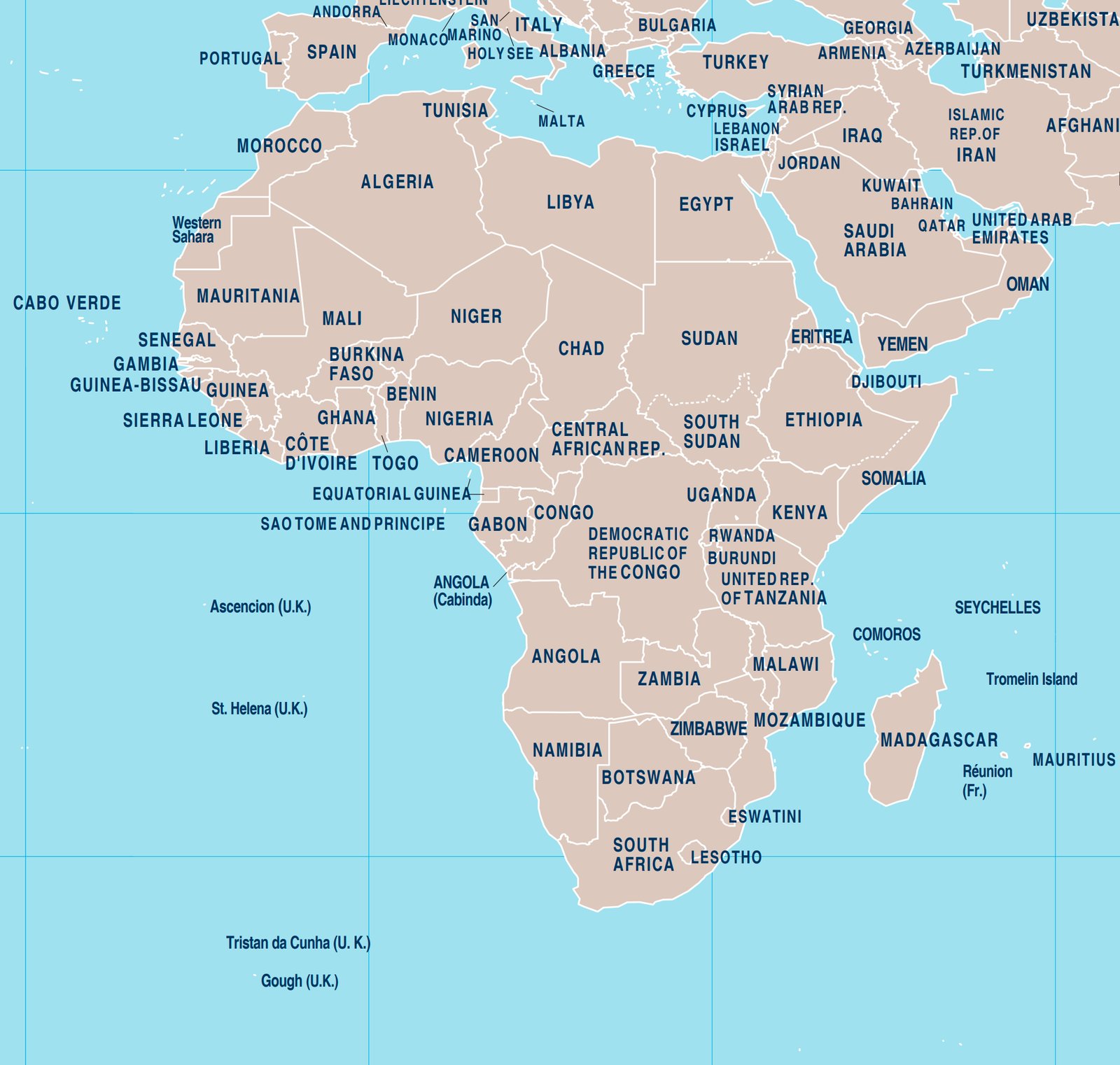
✅ Reality: Africa consists of 54 distinct nations with wildly varying business climates. There are three groups of countries:
• Strong links: South Africa and Morocco (attractive business environment, moderate growth)
• Growth champions: Côte d'Ivoire (6.8%) and Ethiopia (6.7%)
• Countries lagging behind: Nigeria, Cameroon (undergoing transformation)
• Strong links: South Africa and Morocco (attractive business environment, moderate growth)
• Growth champions: Côte d'Ivoire (6.8%) and Ethiopia (6.7%)
• Countries lagging behind: Nigeria, Cameroon (undergoing transformation)
Source: Le Point
📸 Your image credit here
Myth #2: Africa only works on raw materials
❌ Myth: Africa only works on raw materials
✅ Reality: While Africa has tremendous resources, the economy is also a cradle of innovations. There are now over 1,000 active tech hubs across the continent:
• Nigeria: 200+ organizations
• South Africa: 145 hubs
• Egypt: 115 hubs
• Kenya: 99 hubs
In Kenya, the iHub technology incubator has contributed to 150+ companies since 2008.
• Nigeria: 200+ organizations
• South Africa: 145 hubs
• Egypt: 115 hubs
• Kenya: 99 hubs
In Kenya, the iHub technology incubator has contributed to 150+ companies since 2008.
Source: Le Point
📸 Your image credit here
Myth #3: African infrastructure is non-existent
❌ Myth: African infrastructure is non-existent
✅ Reality: The infrastructure gap is real but represents an economic opportunity. Nigeria needs $1.9 trillion by 2030 to close its infrastructure gap.
Infrastructure lag costs Africa 2 points of growth annually. However, African countries added 6.5 GW to their power grid in 2024.
This gap will generate significant investments in the region.
Infrastructure lag costs Africa 2 points of growth annually. However, African countries added 6.5 GW to their power grid in 2024.
This gap will generate significant investments in the region.
Source: African Development Bank
📸 Your image credit here
Myth #4: Africa is isolated from the world
❌ Myth: Africa is isolated from the world
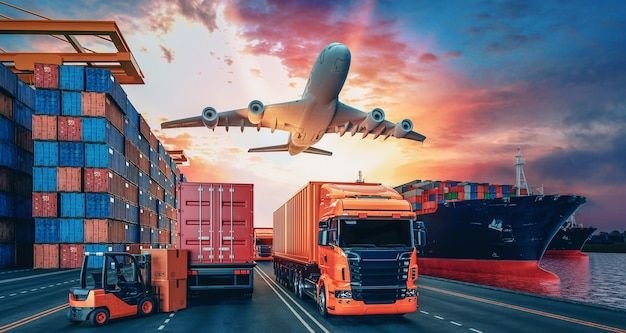
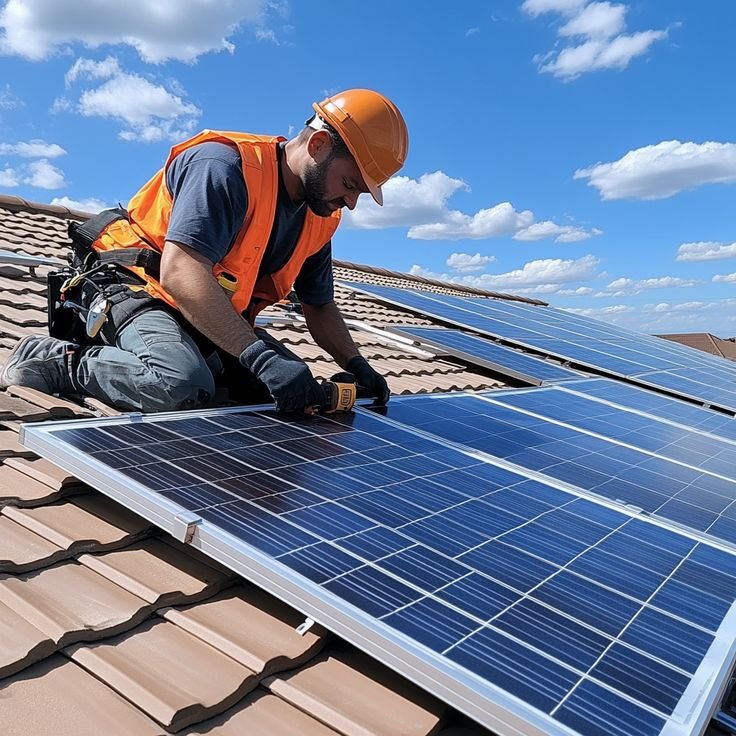
✅ Reality: African foreign trade is constantly growing. By 2025, China-Africa trade reached a record $348.05 billion, with a 60% jump in solar panel imports.
The EU (Global Gateway) and US are aggressively competing for critical minerals (Lithium, Cobalt) needed for the global energy transition.
The EU (Global Gateway) and US are aggressively competing for critical minerals (Lithium, Cobalt) needed for the global energy transition.
Source: Trade Statistics 2025
📸 Your image credit here
Myth #5: African institutions are non-existent
❌ Myth: African institutions are non-existent
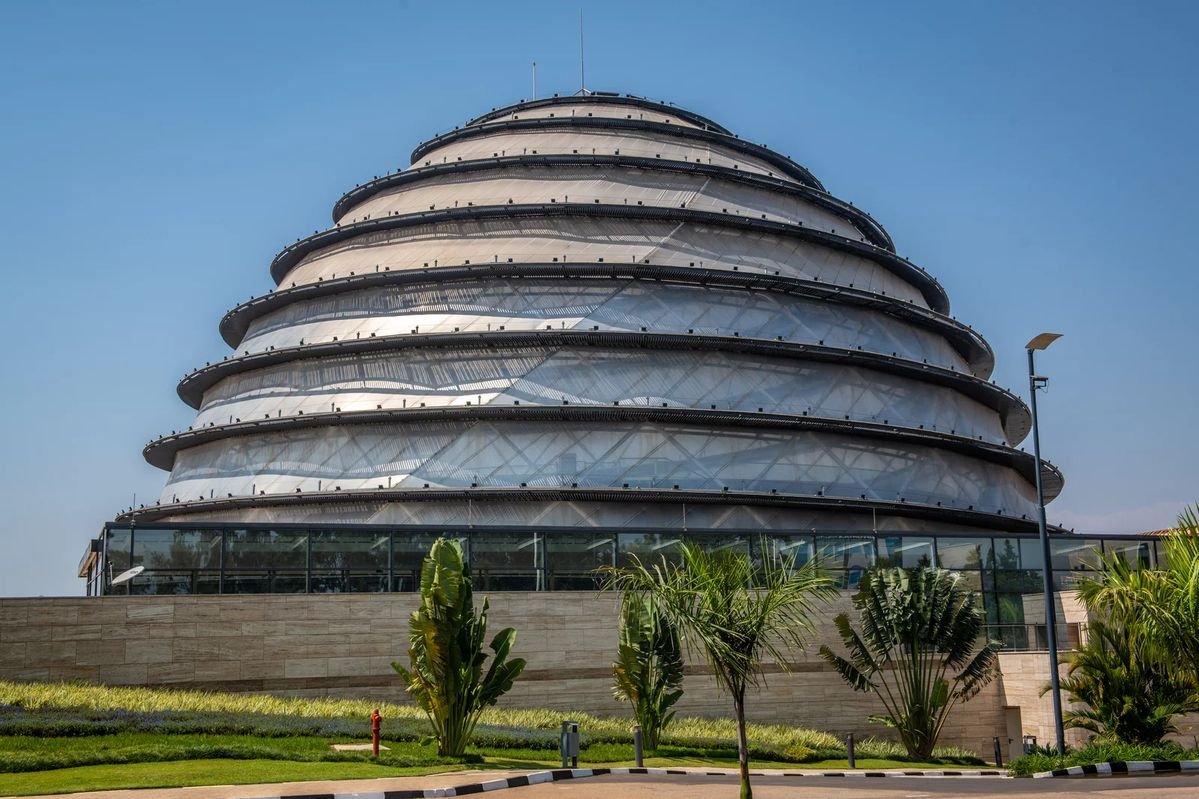
✅ Reality: Countries like Rwanda have implemented important reforms including a national council against corruption.
The digital revolution allows African institutions to skip stages in development. South Africa, Rwanda, and Ghana have developed high-quality online public services.
The digital revolution allows African institutions to skip stages in development. South Africa, Rwanda, and Ghana have developed high-quality online public services.
Source: World Bank
📸 Your image credit here
Myth #6: No one wants to finance African growth
❌ Myth: No one wants to finance African growth
✅ Reality: Some countries are posting record growth rates above 5%. Africa's real GDP growth is projected at 3.8% in 2024 and 4.2% in 2025.
South Africa, Egypt, and Senegal finance 25-30% of their growth through budget resources.
However, fiscal revenues average only 14.5% of GDP in Africa vs 30% in developed countries.
South Africa, Egypt, and Senegal finance 25-30% of their growth through budget resources.
However, fiscal revenues average only 14.5% of GDP in Africa vs 30% in developed countries.
Source: IMF Projections
📸 Your image credit here
Myth #7: The African consumer is not bankable
❌ Myth: The African consumer is not bankable
✅ Reality: Africa has the highest consumption growth rates: Côte d'Ivoire (+6%), Uganda (+7%), Nigeria (+5%) vs OECD (+1.4%).
By 2045, 24 million people will arrive in African cities annually. 70% of Moroccans have internet access (55% in China).
14% of Kenyans use contactless payment while 60% of French still use cheques.
By 2045, 24 million people will arrive in African cities annually. 70% of Moroccans have internet access (55% in China).
14% of Kenyans use contactless payment while 60% of French still use cheques.
Source: Consumer Trends 2025
📸 Your image credit here
Myth #8: You can't work with African companies
❌ Myth: You can't work with African companies
✅ Reality: Of the €800 billion of goods imported by Africa each year, nearly 60% is paid in cash.
If 30-day payment terms were granted, it would free €40 billion in working capital - equivalent to Tanzania's GDP.
The same calculation for Nigeria would reach €10 billion in additional cash flows for SMEs.
If 30-day payment terms were granted, it would free €40 billion in working capital - equivalent to Tanzania's GDP.
The same calculation for Nigeria would reach €10 billion in additional cash flows for SMEs.
Source: Trade Finance Report
📸 Your image credit here
Myth #9: Innovation is lagging in Africa
❌ Myth: Innovation is lagging in Africa
✅ Reality: Africa is now a global leader in "Leapfrogging" technology. There are over 1,000 active tech hubs across the continent.
Nigeria leads with 200+ organizations, followed by South Africa (145) and Egypt (115).
Fintech remains king, but Agritech and Renewable Energy tech are the fastest-growing sectors in 2025.
Nigeria leads with 200+ organizations, followed by South Africa (145) and Egypt (115).
Fintech remains king, but Agritech and Renewable Energy tech are the fastest-growing sectors in 2025.
Source: Tech Hubs Africa 2025
📸 Your image credit here
Myth #10: It's hard to find entrepreneurs and talent in Africa
❌ Myth: It's hard to find entrepreneurs and talent in Africa
✅ Reality: The "Brain Gain" is replacing the "Brain Drain." In Cameroon, tertiary education enrollment has climbed to 16.7% (up from 13% a decade ago).
In South Africa, young adults without secondary education fell by 7% over five years.
While official stats show only 2 companies per 1,000 people, the informal sector is the world's most vibrant training ground.
In South Africa, young adults without secondary education fell by 7% over five years.
While official stats show only 2 companies per 1,000 people, the informal sector is the world's most vibrant training ground.
Source: Education Statistics 2024
📸 Your image credit here
Bonus Myth #11: China is the only major player in Africa
❌ Myth: Bonus China is the only major player in Africa
✅ Reality: China-Africa trade hit a record $348 billion in 2025, but the relationship has changed:
• China's exports to Africa saw a 60% jump in solar and EV tech
• The European Union (Global Gateway) and US are aggressively competing for critical minerals
• Diversification of partners is increasing
• China's exports to Africa saw a 60% jump in solar and EV tech
• The European Union (Global Gateway) and US are aggressively competing for critical minerals
• Diversification of partners is increasing
Source: Trade Data 2025
📸 Your image credit here
Bonus Myth #12: Cash is the only way to pay in Africa
❌ Myth: Bonus Cash is the only way to pay in Africa
✅ Reality: While cash is still used for small daily transactions (79.8% in Kenya), digital payments are exploding:
• In Kenya, card and mobile POS transactions reached 297 billion KES in 2025
• Interoperable payment systems allow a merchant in Ghana to get paid instantly by a customer in Zambia
• Mobile money is ubiquitous
• In Kenya, card and mobile POS transactions reached 297 billion KES in 2025
• Interoperable payment systems allow a merchant in Ghana to get paid instantly by a customer in Zambia
• Mobile money is ubiquitous
Source: Central Bank of Kenya
📸 Your image credit here
Bonus Myth #13: It's hard to find talent in Africa
❌ Myth: Bonus It's hard to find talent in Africa
✅ Reality: The "Brain Gain" is real:
• Cameroon: Tertiary enrollment 16.7% (up from 4.6% in 2000)
• South Africa: Youth without secondary education fell from 50% to 43%
• Informal entrepreneurship remains the foundation of human capital development
• Cameroon: Tertiary enrollment 16.7% (up from 4.6% in 2000)
• South Africa: Youth without secondary education fell from 50% to 43%
• Informal entrepreneurship remains the foundation of human capital development
Source: UNESCO
📸 Your image credit here
Bonus Myth #14: Business is only about natural resources
❌ Myth: Bonus Business is only about natural resources
✅ Reality: The Service Sector and Creative Industries are new drivers:
• Nollywood and Afrobeats are multi-billion dollar global exports
• Countries like Vietnam and China are outsourcing textile jobs to Ethiopia and Egypt
• Manufacturing is growing
• Nollywood and Afrobeats are multi-billion dollar global exports
• Countries like Vietnam and China are outsourcing textile jobs to Ethiopia and Egypt
• Manufacturing is growing
Source: Creative Industry Report
📸 Your image credit here
Bonus Myth #15: The market is too risky for SMEs
❌ Myth: Bonus The market is too risky for SMEs
✅ Reality: Risk-mitigation tools have evolved:
• New pan-African insurance and credit guarantee schemes from Afreximbank
• Protection against currency fluctuations
• Digital accounting startups helping informal businesses become "bankable"
• New pan-African insurance and credit guarantee schemes from Afreximbank
• Protection against currency fluctuations
• Digital accounting startups helping informal businesses become "bankable"
Source: Afreximbank
📸 Your image credit here
Bonus Myth #16: Regional trade doesn't work in Africa
❌ Myth: Bonus Regional trade doesn't work in Africa
✅ Reality: The AfCFTA is now the world's largest free trade area by number of countries:
• Successfully reducing tariffs on 90% of goods
• Aiming to boost intra-African trade by 50% by 2030
• 54 countries participating
• Successfully reducing tariffs on 90% of goods
• Aiming to boost intra-African trade by 50% by 2030
• 54 countries participating
Source: AfCFTA Secretariat
📸 Your image credit here